
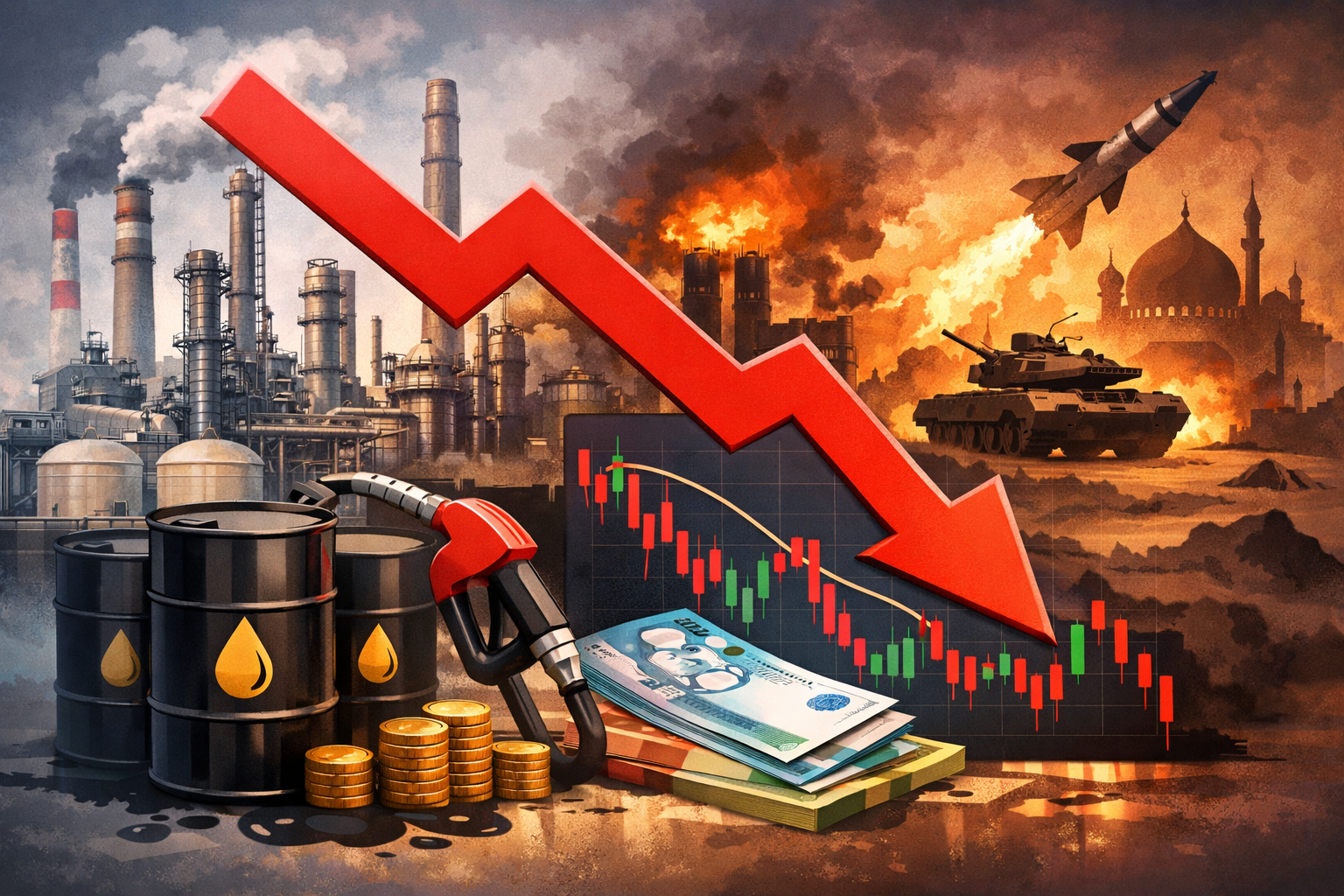
Petron Corporation, which is the biggest oil company in the Philippines and the country’s only remaining oil refinery, announced that it earned P1.8 billion in the first three months of 2026, according to their disclosure to the Philippine Stock Exchange on May 5, 2026.
To put this in simpler terms: imagine Petron is like a big lemonade stand that makes and sells lemonade. In the first quarter of 2026 (January to March), they made less money than they did during the same time last year – their earnings went down by 56% from P4 billion to P1.8 billion.
Why Did Petron Earn Less Money?
According to the company’s disclosure, there are two main reasons why Petron earned less:
1. Refinery Problems
Petron has two big facilities where they turn crude oil (raw oil from underground) into gasoline and other fuels that cars and vehicles use. Think of these refineries as factories that make the fuel we need.
- Malaysia Refinery: Since November 2025, their Port Dickson Refinery in Malaysia has been closed because a tropical storm called Senyar damaged the jetty (the area where ships load and unload products). The company is working on fixing it.
- Bataan Refinery: Their refinery in Limay, Bataan (Philippines) was doing regular maintenance work during this period, which means they had to temporarily reduce production to check and fix equipment.
2. Conflict in the Middle East
The disclosure explained that there’s a serious conflict between the US-Israel and Iran that made it very hard to get oil from the Middle East – which is where most Asian countries, including the Philippines, usually buy their oil.
Because oil became harder to get, the price of Dubai crude oil (a type of oil used as a price reference) jumped dramatically from US$68 per barrel in February 2026 to US$129 per barrel in March 2026 – that’s almost double the price in just one month! For the whole first quarter, oil averaged US$86 per barrel, which is 12% higher than the same time last year.
How Did This Affect Petron’s Business?
Even though Petron’s revenues (total money coming in from sales) increased by 27% to P246 billion, their operating income (the profit from their main business) actually went down by 36% to P6.1 billion. This happened because they had to buy more expensive products from other suppliers since their own refineries weren’t producing as much.
The company sold 25.7 million barrels of fuel in the Philippines and Malaysia during the first quarter – that’s 7% less than the 27.6 million barrels they sold during the same time last year. However, Petron chose to sell less fuel to other countries (exports) so they could make sure there was enough fuel available for Filipino customers and businesses.
What Is Petron Doing About It?
According to Petron President and CEO Ramon S. Ang, the company’s main goal is to make sure there’s enough fuel supply for the country despite these challenges. The company is:
- Buying crude oil and finished fuel products from suppliers outside the conflict areas
- Using their crude diversification program, which means their Bataan refinery can process different types of oil, not just from the Middle East
- Implementing strict cost-saving measures
- Working hard to keep operations running to meet demand
Ang emphasized that as the Philippines’ only remaining oil refinery, Petron recognizes its responsibility to help address the nation’s fuel needs during this difficult time.
About Petron Corporation
Petron Corporation (stock symbol: PCOR) is the largest oil refining and marketing company in the Philippines. As disclosed in their SEC filing, the company has 8.9 billion common shares outstanding and total debt of P218.198 billion as of March 31, 2026. The company has 143,237 stockholders as of the same date.
Petron operates the Bataan Refinery in the Philippines and the Port Dickson Refinery in Malaysia, making it a significant player in ensuring fuel security not just for the Philippines but also in the Southeast Asian region.
Source Note:This article is based on the company’s official press release and disclosures filed with the Philippine Stock Exchange’s Electronic Disclosure Generation Technology (PSE EDGE) system. For the complete and official version of the announcement, readers may visit the PSE EDGE website and search for the company’s filing directly.